



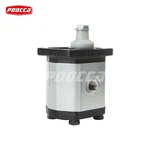
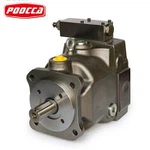

Hydraulic Motor
Why choose Poocca hydraulic motor?
If you are looking for high-quality, reliable hydraulic motors, Poocca Hydraulic Manufacturers is your choice. The hydraulic motors we provide have excellent features. Each product undergoes strict quality control and meets international certification standards such as ISO 9001 and CE certification, ensuring that each hydraulic motor can operate stably under high load.
As a one-stop hydraulic equipment procurement solution provider, Poocca Hydraulic Manufacturers provides full support to corporate customers. Whether you need a customized solution or want to learn more about the technical specifications of hydraulic motors, we can provide you with detailed consulting services and help you choose the product that best suits your business needs.
At the same time, we provide professional after-sales services, including technical support, warranty repairs and parts replacement, to ensure that your equipment is always in the best working condition. Contact us now to get more detailed information about hydraulic motors and enjoy our professional advice and fast delivery service.
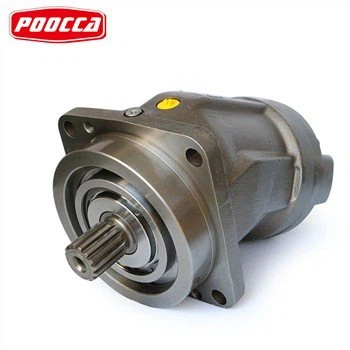
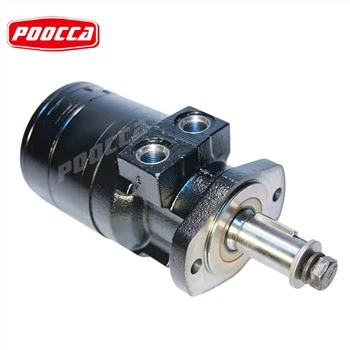


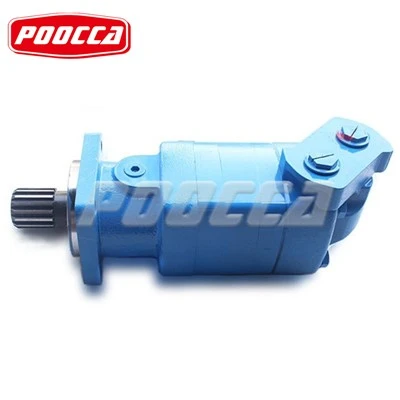


What is a hydraulic motor?
Welcome to consult hydraulic motor

A hydraulic motor is a device that converts hydraulic energy (provided by the pressure and flow of hydraulic oil) into mechanical energy (usually rotational power). It outputs mechanical power by driving the rotor, piston or gear components inside the motor to rotate through the hydraulic oil flowing into the motor. Hydraulic motors are an important part of hydraulic systems and are often used in situations that require high efficiency, high load and precision control.
The working principle of a hydraulic motor is that hydraulic oil enters the motor through the oil inlet and drives the rotor or other moving parts to rotate. By adjusting the flow and pressure of the hydraulic oil, the speed and torque of the hydraulic motor can be precisely controlled. These characteristics enable hydraulic motors to work stably under high load, high speed and harsh environments.
There are many types of hydraulic motors, including gear motors, vane motors, piston motors, etc. Each type has its own unique structure and application advantages. Depending on the needs, hydraulic motors can provide a variety of output forms from low speed and high torque to high speed and low torque.
Poocca Hydraulics manufacturers sell a wide range of brands and offer the right pressure and torque hydraulic motors to suit your needs. Please inquire for more details.
|
|
Poocca Hydraulic Motor |
|

Types of hydraulic motor
Contact Poocca Hydraulic Supplier Now

Hydraulic Gear Motor
Hydraulic gear motors usually consist of two or more gears that rotate by the pressure of hydraulic oil. They are simple, durable and low-cost hydraulic motor types suitable for low to medium load applications.
Simple structure and low maintenance cost.
High efficiency, especially in low-speed applications.
Provide stable output torque.
Commonly used in agricultural machinery, construction equipment and other systems that require stable and continuous power.
Poocca Hydraulic Manufacturer provides hydraulic gear pumps of Marzocchi, Rexroth, Parker, Shimadzu and other brands. Please send us your requirements.

Hydraulic Vane Motor
The main working principle of the hydraulic vane motor is that the hydraulic oil enters the working chamber of the motor through the oil inlet, pushing the slidable vanes to slide and rotate along the inner wall, and this rotational motion is transmitted to the output shaft to generate mechanical power.
The structure of the hydraulic vane motor is relatively simple, usually consisting of components such as rotor, vanes, housing and end cover.
Moderate load: usually used in working environments with medium load and medium pressure.
Wide speed regulation range: The hydraulic vane motor can control the speed and output torque by adjusting the hydraulic flow.
Fast shipping hydraulic vane motor models: Vickers 25M/35M/45M, M3/M4, M4C/M4D motors, M5ASF/M5BF.

Hydraulic Orbit Motor
Hydraulic orbital motor, also known as planetary gear motor or eccentric gear motor. It converts hydraulic energy into mechanical energy through the movement of eccentric disk and multiple planetary gears. The hydraulic oil drives the eccentric disk to rotate, and the planetary gears rotate around the eccentric disk to generate the required torque output.
Compared with other types of hydraulic motors, orbital motors have the advantages of high efficiency, low pulsation noise and high durability. They are particularly suitable for applications that require stable torque output. Its adjustability enables it to adapt to different flow and torque requirements, improving the working performance and flexibility of the equipment.
We provide Eaton Char-Lynn 2000 series, 4000 series, 6000 series, T series motors, J series motors, Danfoss OMM OMH OMP motors...
hydraulic piston motor
hydraulic Piston motor generate torque through the movement of multiple pistons in a circular cylinder. They are generally divided into two types: axial piston hydraulic motors and radial piston hydraulic motors.
Axial Piston Hydraulic Motor
Working Principle: The piston of the axial piston hydraulic motor moves along the axis of the pump, usually with an adjustable displacement design to provide variable flow.
Advantages: High efficiency, stable torque output, suitable for high-load and high-pressure working environments.
Application: High-performance heavy machinery such as excavators, bulldozers, etc.
Axial hydraulic motor Rexroth A2FM A6VM, Danfoss H1B motor, Parker F11/ F12, please contact Poocca for more.

Radial Piston Hydraulic Motor
Working Principle: The pistons of the radial piston hydraulic motor are arranged in a radial direction around the pump shaft and usually have a high starting torque.
Advantages: High torque output, especially suitable for applications requiring high starting torque.
Application: Used in wind turbines and other equipment requiring high starting torque.
CA/CB motor,MS/MSE motor,NMH hydraulic motor,HPR hydraulic motor

At Poocca Hydraulic Manufacturers, we offer a range of efficient and reliable hydraulic motors, whether it is a gear motor, plunger motor, vane motor, or orbital motor, our products are manufactured using advanced technology and high-quality materials to ensure long life, low noise, and smooth operation.
By choosing a Poocca hydraulic motor, you can not only improve the efficiency of your equipment, but also greatly reduce maintenance costs and extend the life of the system. Contact us today for more information or let us help you choose the hydraulic motor solution that best suits your needs.
Our address
Building 31, First Industrial Park, Xitian Community, Guangming District, Shenzhen, Guangdong Province
Phone Number

How to correctly install the hydraulic motor
Installing a hydraulic motor is a key step to ensure its normal operation and extend its service life. The correct installation process can help avoid potential problems such as premature wear, unstable performance or leakage. The following are the general steps and precautions for hydraulic motor installation from our poocca supplier:
1. Check the equipment and hydraulic motor
Before installation, first check whether the hydraulic motor and its accessories are intact and ensure that there is no damage caused during transportation.
Make sure that the model and specifications of the hydraulic motor match the system requirements, especially the working pressure, flow, speed and torque.
Clean the mounting surface of the hydraulic motor to ensure that there is no dust, debris or contaminants.
2. Installation location selection
Location: Make sure that the hydraulic motor is installed on a stable and solid surface. Avoid installing it in a location with large vibration to reduce the burden on the system.
Direction: According to the type of motor and installation requirements, ensure that the hydraulic motor is installed in the correct direction. Some motors may have specific direction requirements and must be installed according to the instructions on the manual.
3. Hydraulic oil and pipeline connection
Oil line connection: Make sure that the connection of the hydraulic oil pipe meets the requirements of the hydraulic system and install the oil inlet and return port correctly. When connecting, ensure that the pipeline is leak-free and will not be twisted or excessively bent.
Pipe cleaning: Before connecting the pipeline, make sure the inside of the pipeline is clean. Use high-quality hydraulic oil and avoid using contaminated oil.
Oil filter: Make sure that an oil filter is installed in the hydraulic system to prevent impurities from entering the motor and causing wear or blockage.
4. Alignment and fixing
Alignment: Make sure that the hydraulic motor is well aligned with the driving equipment (such as gears, shafts, couplings, etc.). Misaligned or misaligned installation may cause imbalance when the motor is running, increase friction and wear.
Fixing: Depending on the type of hydraulic motor, use appropriate fasteners (bolts, nuts, etc.) to fix the motor in the installation position to ensure that it is firm and stable.
5. Inspection and adjustment
Leakage check: After connecting the hydraulic oil pipe, start the system and check all joints and seals for leaks. If there is oil leakage, tighten the joints or replace the seals immediately.
Pressure check: Confirm that the working pressure in the hydraulic system meets the rated pressure of the motor to avoid overload operation.
Speed regulation and control: If the hydraulic motor has adjustable displacement or speed control function, ensure that the adjustment device works properly and is set appropriately as needed.
6. Startup and testing
After completing the installation and inspection, start the hydraulic system slowly and observe the operation of the hydraulic motor.
Check for abnormal noise, vibration or overheating.
During the initial operation, observe whether the pressure and flow of the motor are stable and ensure that they are within the normal range.
7. Precautions
Avoid no-load starting: Make sure that the hydraulic system is full of hydraulic oil before starting the hydraulic motor, and avoid no-load operation, as this may cause damage to the motor.
Check the oil temperature: Make sure that the hydraulic oil is within the recommended operating temperature range. If the oil temperature is too high, it may affect the performance and life of the motor.
Periodic maintenance: Regularly check the working condition of the hydraulic motor, regularly replace the hydraulic oil and oil filter, and avoid impurity contamination and hydraulic system failure.
8. Safety precautions
During the installation process, be sure to turn off the power supply of the hydraulic system to prevent accidental start-up.
Necessary protective equipment such as gloves and goggles should be worn during installation.
If any maintenance or adjustment operations are required, the hydraulic source should be disconnected first to ensure safety.
With proper installation and regular maintenance, your hydraulic motor will be able to operate stably for a longer period of time and improve the overall efficiency of the system. If you have any questions or need further technical support, please feel free to contact Poocca Hydraulic Manufacturer, we will provide you with professional help and advice.


Recommended hot-selling motors on the market


Hydraulic Motor Repair and Maintenance Guide
By regularly checking the hydraulic motor's oil, filters, seals and system pressure, timely troubleshooting and necessary repairs, the service life of the hydraulic motor can be greatly extended and the normal operation of the equipment can be ensured. Following the maintenance method and formulating a suitable maintenance plan based on actual use is an effective guarantee for the long-term and stable operation of the hydraulic motor.
1. Regular inspection and monitoring
Regular inspection of the hydraulic motor is the basis for ensuring its good working condition. It is recommended to perform the following inspections regularly:
Oil inspection: Regularly check the quality and level of the hydraulic oil. Oil contamination or low oil level will affect the working performance of the motor and may cause overheating, wear or damage.
Oil cleanliness: Ensure that the hydraulic oil is not contaminated. Use filters and oil cleaning devices to prevent impurities from entering the motor.
Oil type: Use appropriate hydraulic oil according to the requirements of the hydraulic motor. Check the viscosity and temperature of the oil to ensure that it meets the equipment requirements.
Oil temperature monitoring: Excessive temperature of the hydraulic oil will cause oil deterioration and damage the motor. Regularly check the temperature of the hydraulic system. The ideal temperature range is generally between 40°C and 60°C.
Check for leaks: Check all joints, seals and oil pipe connections for leaks. Hydraulic oil leakage not only wastes energy, but also pollutes equipment and the environment. Leaks should be repaired in time.
2. Clean and replace filters
The filter of the hydraulic motor is responsible for filtering impurities in the oil and preventing them from entering the motor. Clean or replace the filter regularly to avoid clogging of the filter element, which affects the flow of oil and motor performance.
Replacement frequency: Check the filter regularly and replace it as needed according to the use environment and the degree of oil pollution. For highly polluted environments, the replacement cycle should be shortened.
Check the oil circuit: Clean the oil circuit and ensure that the oil pipe is unobstructed. Avoid pipe blockage or oil leakage, which will affect the efficiency and safety of the hydraulic system.
3. Check and replace seals regularly
Seals play a vital role in hydraulic motors, preventing hydraulic oil leakage and reducing wear. As the use time increases, the seals will age or wear, resulting in leakage or reduced efficiency.
Check the seals: Check the seals of the hydraulic motor regularly, especially the end caps and connections. If the seals are found to be damaged or aged, they should be replaced in time.
Use high-quality seals: When replacing seals, use seals of the same model and specification as the original parts to ensure the sealing effect.
4. Check the hydraulic system pressure
The operating pressure of the hydraulic motor should always be within the specified range. Too high or too low pressure may cause motor failure, damage or reduced efficiency.
Pressure test: Use a pressure gauge to check the working pressure of the hydraulic system regularly to ensure that it meets the rated requirements of the motor. If abnormal pressure is found, it should be checked and corrected in time.
Pressure regulation: Check and ensure that the pressure regulating device and safety valve in the system are working properly. If the pressure is too high or too low, the relevant components may need to be adjusted or replaced.
5. Check the motor speed and torque
The speed and torque of the hydraulic motor are key indicators of its performance. Check the motor speed and output torque regularly to ensure that it operates within the design range.
Speed test: Use a tachometer to check the motor speed to ensure that it meets the design requirements. Too high or too low speed may cause reduced efficiency or motor damage.
Torque test: Use a torque sensor to measure the torque of the output shaft to ensure that it matches the rated torque of the motor. If the output torque is abnormal, you may need to check the system flow, pressure or internal components of the motor.
6. Exhaust and oil circuit inspection
In the hydraulic system, the presence of air will affect the performance of the hydraulic motor and may even cause damage to the motor. Regular exhaust is a very important maintenance step.
Exhaust operation: Regularly remove the air in the hydraulic system, especially after the system is filled or restarted, to ensure that the oil is unobstructed and flows smoothly.
Oil circuit inspection: Check whether the oil circuit is leaking, blocked or worn. Worn pipes or joints should be replaced in time to ensure smooth flow of oil.
7. Avoid overload
Hydraulic motors should avoid overloading or overspeeding during use. Overload can cause the motor to overheat and damage internal components.
Load control: According to the rated power and load requirements of the motor, avoid running under overload for a long time. If the working load varies greatly, consider using appropriate load control equipment.
Slow down when starting: When starting the hydraulic motor, avoid starting directly to full speed, especially under high load. Accelerate gradually to allow the motor to adapt to the working conditions.
8. Regular inspection and maintenance
Regular inspection and maintenance of hydraulic motors can help detect problems early and prevent failures.
Regular inspection: Regularly check the appearance and internal condition of the hydraulic motor, including the wear of important parts such as bearings, gears, and blades. Check and clean the inside of the motor to prevent impurities from entering.
Maintenance plan: Make a reasonable maintenance plan based on the frequency of use and working conditions, and strictly implement it to ensure the stable performance of the hydraulic motor.
9. Storage and maintenance of spare motors
If the hydraulic motor is out of use for a long time, appropriate storage measures should be taken to prevent its parts from corrosion or damage.
Anti-rust treatment: For hydraulic motors stored for a long time, anti-rust oil should be used to protect the internal parts to prevent rust.
Inspection and operation test: Before the spare motor is put into use, perform basic inspection and operation tests to ensure its normal operation.


FAQ
Q: What series and models does Poocca hydraulic motor have?
A: We offer hydraulic motors from multiple brands, including: Poclain MS series (MS02, MSE02, MS05, etc.) Rexroth A2FM, A6CM, CA series Parker TG, TE series Marzocchi ALM, GHM series Different models are suitable for various application scenarios, such as construction machinery, ships, industrial equipment, etc. If you can't find the hydraulic motor you need, please contact us.
Q: What is the warranty period for Poocca hydraulic products?
A: Our hydraulic pump products usually provide a 12-month warranty period. If there are any quality problems during the warranty period, we will provide repair or replacement services according to the specific circumstances.
Q: Can I customize the specifications of the motor?
A: Yes, we provide OEM and ODM services. You can customize the specifications, configuration, color, etc. of the hydraulic pump according to your specific needs.
Q: How do I choose the right hydraulic motor model?
A: When choosing a hydraulic motor, please consider the following factors: Load requirements: The power and torque that the motor needs to withstand. Working environment: temperature, humidity, whether there are special explosion-proof or anti-corrosion requirements. Speed and pressure: Select a motor that meets the working conditions of the equipment to ensure that the required speed and pressure are matched. If you are not sure, you can tell us the specific application requirements and we will help you recommend the right model.
Q: How to ensure the long-term stability and durability of the hydraulic pump?
A: Our hydraulic pump design follows international standards, using high-quality materials and precision manufacturing processes to ensure long-term stable operation. Regular maintenance and inspection are the key to ensuring that the equipment can operate efficiently for a long time.
Q: What are the advantages of Poocca Hydraulic Manufacturer?
A: We have: Rich industry experience and technical support High-quality products and strict quality control Fast delivery time and excellent customer service Professional customization and solutions
Q: How to participate in Poocca's promotions?
A: We hold promotions from time to time. You can follow our official website or contact our customer service team to learn about the latest discounts. During the event, you will be able to enjoy specific discounts and offers.
Q: How to buy Poocca's hydraulic products?
A: You can contact the sales team directly through our official website for telephone or email consultation. We will provide detailed quotes and product recommendations based on your needs.
Q: What is the shipping and delivery time for Poocca hydraulic pumps?
A: Depending on the inventory status of the product and the order volume, the standard delivery time is usually 5 to 10 working days. If there are special needs, we will try our best to speed up the delivery.
Q: If I have technical questions about the product, how can I get support?
A: If you encounter any technical problems while using our products, you can always contact our technical support team. We provide online support and telephone support to ensure that your problems are solved in a timely manner.
Q: What is the difference between a hydraulic motor and a hydraulic pump?
A: A hydraulic pump converts mechanical energy into hydraulic energy to provide flow and pressure; while a hydraulic motor converts hydraulic energy into mechanical energy to drive mechanical movement. Simply put, a hydraulic pump provides power and a hydraulic motor uses power.
Q: How long is the service life of a hydraulic motor?
A: The service life of a hydraulic motor depends on the conditions of use, maintenance, and workload. Generally speaking, a hydraulic motor with normal maintenance can be used for several years. We recommend regular inspection and maintenance to extend the service life of the motor.