




Hydraulic Valve
Poocca Hydraulic Valve
Poocca Hydraulic Supplier provides a comprehensive range of hydraulic products, including hydraulic pumps, hydraulic motors, hydraulic accessories, power units and hydraulic valves. We focus on providing customers with high-quality and reliable hydraulic solutions covering multiple industry needs.
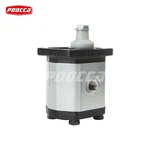
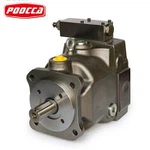
In terms of hydraulic valves, we supply a variety of models from well-known brands including Rexroth, Yuken, Vickers, including P40/P80/P12, 4WE, DG4V, BG-03, DSG, MBP, KSO, etc.
If you don't find the specific model you need in our product display, please feel free to contact us. We will wholeheartedly provide you with detailed product parameters, dimensional drawings and price information to ensure that you can find the hydraulic product that best suits your needs.

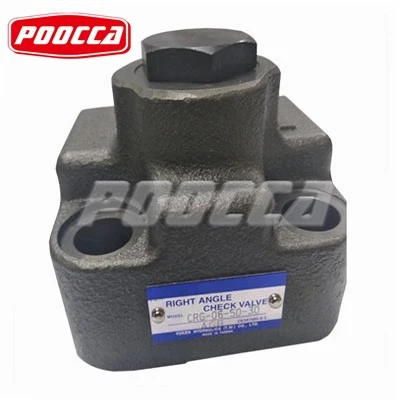
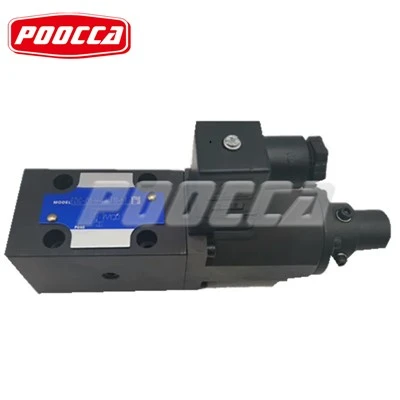
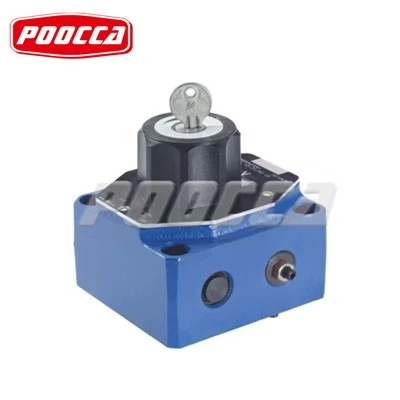


What is a hydraulic valve?
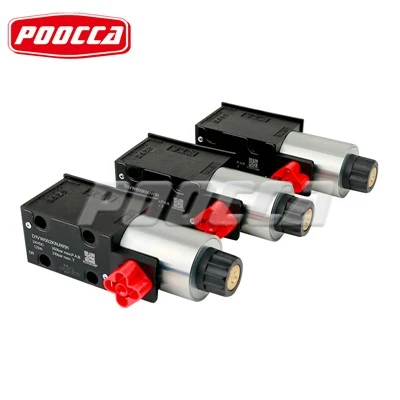
A hydraulic valve is a device used to control the flow of liquid in a hydraulic system. It controls the actuators (such as hydraulic cylinders, hydraulic motors, etc.) in the hydraulic system by adjusting the direction, pressure and flow of the liquid flow. The hydraulic valve is the core control component in the hydraulic system. It can accurately adjust and distribute the flow of hydraulic oil according to different work requirements, thereby realizing various actions of hydraulic transmission.
The main functions of hydraulic valves include:

01
Direction control
The hydraulic valve can control the flow direction of the liquid and determine the different directions of the hydraulic oil flow to the hydraulic cylinder or hydraulic motor. This can realize operations such as forward rotation, reverse rotation or stop of equipment in the hydraulic system.
02
Pressure control
The hydraulic valve can adjust the pressure in the system to ensure that the system operates within the set pressure range. Pressure control valves are usually used to prevent the system pressure from being too high to avoid equipment damage.
03
Flow control
The hydraulic valve can adjust the flow of the liquid to ensure that the actuator moves at an appropriate speed. Flow control valves are widely used in hydraulic systems that require precise control of the action speed.
04
Overflow protection
Some hydraulic valves (such as overflow valves) can prevent the system from overpressure and provide overload protection. When the system pressure exceeds the preset value, the overflow valve will automatically open to discharge the excess fluid from the system to protect the equipment from damage.
Poocca hydraulic valve supplier sells valves with various functions to meet the needs of your equipment. If you don’t know what model to choose, please contact us. We will have professional technology to connect with you to choose the right product for you. We look forward to working with you.
Types of hydraulic valves

Choose Poocca Hydraulic Valve
Hydraulic valves are key control components in hydraulic systems and are widely used in industries such as industry, agriculture, and transportation. Hydraulic valves can be divided into many types according to different control requirements, and each type of valve has different functions and applications. No matter which type of hydraulic valve, we at Poocca Hydraulic Manufacturing sell them, please feel free to contact us. The following are several common types of hydraulic valves and their detailed descriptions:

Hydraulic Directional Control Valve
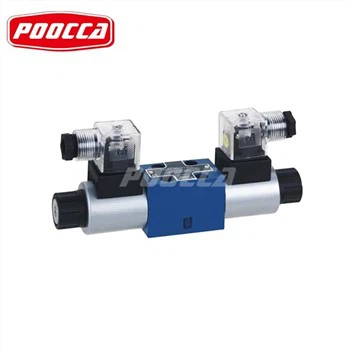
Directional control valves control the flow of hydraulic oil, determining the movement of an actuator such as a cylinder or motor. By moving the spool, the valve directs the hydraulic oil to drive the actuator to perform the desired action.
Common configurations:
2/2 valve: two ports, simple on/off flow control.
3/2 valve: three ports, switching oil flow to different actuators.
4/2 valve: four ports, controlling the extension/retraction of double-acting cylinders.
4/3 valve: adds a neutral position for complex flow paths.
Forms:
Slide valve: durable and good sealing.
Solenoid valve: solenoid-driven, ideal for precision automation.
Applications: used in hydraulic machinery, lifts and automation equipment.
Hydraulic Pressure Control Valve
Pressure control valves are used to control and limit the working pressure of the hydraulic system, prevent the system pressure from exceeding the preset value, and ensure the safe operation of the hydraulic system.
Working principle:
The pressure control valve automatically adjusts the valve opening according to the pressure change of the hydraulic system to limit the pressure within a safe range. When the system pressure is too high, the pressure control valve will automatically open or overflow, return or discharge the excess oil, and prevent the system from being damaged by overpressure.
Common types:
Relief Valve: The most common pressure control valve, mainly used to prevent the system pressure from being too high. It sets a pressure upper limit. When the system pressure exceeds this value, the relief valve opens to return the excess hydraulic oil to the tank or circuit.
Pressure Reducing Valve: Used to set a lower working pressure in the hydraulic system, usually used for pressure adjustment in multi-circuit systems. When the upstream pressure exceeds the set value, the valve automatically adjusts the flow rate to reduce the system pressure.
Sequence Valve: Used to control the sequence of multiple actions. It ensures that one circuit starts before another circuit. When the pressure of the first circuit reaches the set value, the sequence valve will open to start the second circuit.
Relief/sequence combination valve: It combines the functions of relief valve and sequence valve, and can prevent excessive pressure and control the sequence of the circuit at the same time.
Application examples:
Pressure control valves are widely used in hydraulic systems, such as hydraulic cranes, hydraulic presses, construction machinery, etc., to ensure that the system works under safe pressure.


Hydraulic Flow Control Valve
Hydraulic flow control valves regulate hydraulic oil flow to control actuator speed and efficiency. By adjusting the valve port size, flow control valves control fluid velocity for precise actuator control.
Common types:
Throttle valves: Regulate flow by changing valve opening, often paired with pressure control valves.
Proportional flow valves: Use external signals (current/voltage) for precise flow control.
Cushion valves: Slow down fluid return to prevent shock and reduce wear.
Applications:
Used in hydraulic lifts, power units, and machinery to control cylinder or motor speed.
Hydraulic Proportional Control Valve
A proportional control valve is a valve that can accurately control the flow, pressure or direction in a hydraulic system according to an external control signal (such as current or voltage). It is a high-precision, high-response speed hydraulic valve that is often used in complex and high-precision hydraulic systems.
The core feature of a proportional control valve is to accurately adjust the opening of the valve core according to an input signal (usually an analog signal, such as current or voltage) to achieve smooth changes in flow, pressure or direction. Unlike traditional switch-type hydraulic valves, it can achieve continuous and progressive regulation.
Common types:
Proportional directional control valve: It can adjust the position of the flow control valve core according to the input signal to achieve precise directional control.
Proportional pressure control valve: It can adjust the pressure value according to the input signal to achieve stepless pressure regulation and is widely used in hydraulic systems that require precise pressure control.
Proportional flow control valve: It adjusts the flow according to the input signal to achieve high-precision flow control.
Application examples:
Proportional control valves are widely used in high-precision hydraulic systems, such as CNC machine tools, aerospace, robots, and automated control systems.

Materials and structure of hydraulic valves
What is the material of the seal? Is it suitable for high temperature and high pressure environment?
Does the internal structure design of the hydraulic valve meet industry standards?
Have you ever had any questions about the above questions? If you are not very familiar with the product, you may not know much about the material and structure of the hydraulic valve. Then, Poocca Hydraulic Manufacturer will give a brief description.
Hydraulic solenoid valves and hydraulic control multi-way valves are indispensable core components in hydraulic systems. They achieve precise control of hydraulic actuators by controlling the direction, pressure and flow of the fluid flow. In order to ensure its reliability and stability under high pressure and complex environments, the various components of these valves are usually made of different materials.
The raw materials of poocca hydraulic valves have been screened many times, and only high-quality products are provided to customers. You can rest assured about the materials. We only make hydraulic valves with quality assurance.
1. Materials of hydraulic solenoid valves
Hydraulic solenoid valves are mainly composed of valve body, valve seat, valve core, coil and electromagnet. The material selection of each component must have good corrosion resistance, wear resistance, high pressure resistance and temperature resistance to ensure long-term stable operation of the valve.
**Valve body:
Material: cast iron, aluminum alloy, steel, stainless steel.
Features: The valve body is the core component of the hydraulic solenoid valve, responsible for accommodating the valve core and valve seat, and bearing the working pressure. Commonly used cast iron and steel have strong pressure resistance and strength, and are suitable for most conventional hydraulic systems. Aluminum alloy is suitable for hydraulic systems that require weight reduction due to its light weight and good heat dissipation, while stainless steel is used in highly corrosive environments and provides better corrosion resistance.
**Valve seat:
Material: stainless steel, hard alloy.
Features: The function of the valve seat is to seal with the valve core to ensure the accuracy of fluid flow control. Wear-resistant and corrosion-resistant stainless steel materials are usually selected, especially when the oil in the hydraulic system may contain corrosive substances. Hard alloy materials are suitable for high-pressure and high-flow working conditions to ensure the long life of the valve.
**Valve core:
Material: stainless steel, alloy steel.
Features: The valve core is responsible for moving on the valve seat to control the direction of oil flow. In order to ensure the wear resistance and corrosion resistance of the valve core, stainless steel or alloy steel materials are usually selected. These materials can provide excellent strength, wear resistance and temperature resistance, ensuring the stability of the valve core in long-term use.
** Electromagnet and coil:
Material: copper wire, iron core, insulating material.
Features: Electromagnet and coil are the driving parts of the hydraulic solenoid valve. The choice of materials directly affects the response speed and efficiency of the solenoid valve. Copper wire is widely used because of its excellent conductivity. The iron core provides sufficient magnetic force to attract and release the valve core. The insulating material is used to protect the electrical components from damage.


2. Materials of hydraulic control multi-way valve
The hydraulic control multi-way valve is composed of valve body, valve seat, valve core, control handle and other components. The material selection of these components also needs to consider factors such as pressure resistance, wear resistance and corrosion resistance to ensure that the valve can operate stably and long-term in a complex hydraulic environment.
** Valve body:
Material: cast iron, steel, aluminum alloy.
Features: The valve body is the support and bearing structure of the multi-way valve and must have high strength and corrosion resistance. Cast iron and steel valve bodies are widely used in high-pressure and large-flow hydraulic systems, while aluminum alloys are suitable for hydraulic systems with weight requirements due to their lighter weight and excellent heat dissipation performance.
**Valve seat:
Material: stainless steel, hard alloy, copper alloy.
Features: The function of the valve seat is to cooperate with the valve core to achieve sealing and prevent fluid leakage. The valve seat is usually made of stainless steel or hard alloy materials, which have excellent wear resistance and corrosion resistance, especially under high pressure and harsh environments, which can effectively extend the service life of the multi-way valve.
**Valve core:
Material: stainless steel, alloy steel, copper alloy.
Features: The valve core is the core component of the hydraulic control multi-way valve, which determines the direction and control accuracy of the fluid flow. The valve core is generally made of stainless steel or alloy steel, which can provide better wear resistance, pressure resistance and corrosion resistance, ensuring that the valve core can work stably for a long time under high load and high pressure environments.
**Control lever:
Material: stainless steel.
Features: The control lever is the operating part of the hydraulic control multi-way valve, and is usually made of stainless steel. Due to the corrosion resistance and high strength of stainless steel, the control lever can withstand frequent operations without easy wear or deformation. And the smooth surface of stainless steel makes it more comfortable to operate.
The material selection of hydraulic solenoid valves and hydraulic control multi-way valves directly affects the performance, durability and application range of the valves. The following is a summary of the materials of the two:
Valve body: The valve body of hydraulic solenoid valves and hydraulic control multi-way valves is mostly made of cast iron, aluminum alloy or steel, and stainless steel is used in highly corrosive environments.
Valve seat: The valve seat of both valves is usually made of stainless steel or hard alloy to ensure wear resistance and corrosion resistance.
Valve core: The valve core material is mostly made of stainless steel and alloy steel to provide good wear resistance, corrosion resistance and high load bearing capacity.
Control lever: The control lever of the hydraulic control multi-way valve is often made of stainless steel, because of its high strength and corrosion resistance, it can ensure long-term use.
Different valve materials play different roles in the hydraulic system. Reasonable selection of materials can improve the efficiency of the hydraulic valve, extend the service life and ensure the stable operation of the system.
Poocca Hydraulic Manufacturer provides high-quality, affordable hydraulic valves, and we can promise to deliver quickly within the scheduled time. Please send me your requirements and let us, Poocca Hydraulic Manufacturer, provide you with quality services and products.
Noise and vibration control of hydraulic valves
What is the operating noise of this hydraulic valve? Is it suitable for environments with strict noise requirements?
Is there a design to prevent vibration to ensure the smooth operation of the hydraulic system?
When selecting a hydraulic valve, noise level and anti-vibration design are very important considerations, especially when it is necessary to ensure the smooth operation of the equipment and the operating environment has strict noise requirements.
Operating noise of hydraulic valves
The operating noise of hydraulic valves mainly comes from fluid turbulence, pressure fluctuations and flow changes. The key factors affecting noise include flow, valve core structure and system pressure. To control noise, the following measures are essential:
Valve design: Choose a low-noise design with optimized flow channels to minimize turbulence.
Hydraulic oil selection: Using the right oil type and viscosity can effectively reduce flow noise.
System configuration: Ensure proper piping layout, valve selection and system design to reduce noise.
In noise-sensitive environments, choosing low-noise hydraulic valves has a certain impact on achieving quieter and more stable operation.


Anti-vibration design of hydraulic valves
The vibration of hydraulic system is mainly caused by flow fluctuation, pressure instability and flow change, which may lead to mechanical damage, component wear, reduced efficiency and increased noise. To reduce vibration, hydraulic valve design usually takes the following measures:
Buffer design: Use buffer mechanism to reduce fluid impact.
Spring damping: Reduce valve core vibration through spring damping to keep pressure or flow stable.
Optimize valve core: Improve valve core shape and sealing method to reduce vibration caused by friction.
System adjustment: Reasonably regulate the flow and pressure of the pump to avoid frequent start and stop.
Optimize proportional valves, shock-absorbing valves, etc. to maintain stable operation under load changes and further reduce vibration.
Price and cost-effectiveness of hydraulic valves
When purchasing hydraulic valves, the price of hydraulic valves is usually determined by multiple factors, including valve type, size, pressure rating, functional requirements, and material selection. Understand the price composition of hydraulic valves and how to measure cost-effectiveness.
1. Price factors of hydraulic valves
The following are several key factors that affect the price of hydraulic valves:
a. Type of hydraulic valves
Valve type affects cost:
Directional control valves: affordable, suitable for standard systems.
Pressure control valves: cost depends on regulation accuracy.
Flow and proportional control valves: expensive due to high accuracy, suitable for complex systems.
b. Size and pressure rating
Larger valves or valves with higher pressure ratings are more expensive due to material strength and precision requirements.
Working pressure: The higher the material strength, the higher the pressure, and the higher the cost.
c. Control method
Control method affects price. Solenoid valves and proportional valves are more expensive than manual valves.
Manual control: simple, lower cost.
Solenoid valve control: higher price.
Proportional control: most expensive.
d. Hydraulic valve material selection
Material affects durability and price. Corrosion-resistant valves such as stainless steel or carbide are more expensive.
Here are a few key factors to consider when measuring the cost-effectiveness of hydraulic valves
a. Matching performance of hydraulic valves with requirements
The cost-effectiveness of a hydraulic valve depends on whether it meets the system requirements. Even if the price is high, if the valve is efficient, stable and fully functional, it is still a cost-effective choice. On the contrary, if the performance is not up to standard, no matter how low the price is, it cannot be considered cost-effective.
System requirements: The valve must have functions compatible with the system (such as pressure regulation, flow control, etc.) to ensure efficiency.
Performance: Factors such as leakage rate, response speed and accuracy directly affect the cost-effectiveness.
b. Quality and durability
The quality of the hydraulic valve directly affects the operating reliability and long-term maintenance cost of the system. If the hydraulic valve can operate for a long time under high pressure and high temperature environment, maintain stable performance and reduce failures, then its cost-effectiveness will naturally be higher.
Durability: If the hydraulic valve can withstand long-term workload without frequent replacement and repair, then it is a worthwhile investment even if the price is higher.
After-sales service: Good quality hydraulic valves are usually accompanied by perfect after-sales service (such as warranty period, repair support, etc.), which will reduce the subsequent maintenance costs and improve cost-effectiveness.
c. Overall cost
When purchasing a hydraulic valve, you need to consider not only the initial purchase price, but also the maintenance and operating costs in long-term use. A cheap but frequently faulty hydraulic valve may end up costing more in repairs, so in the long run, choosing a higher quality valve may be a more cost-effective option.
Maintenance cost: Consider the ease of maintenance and durability of the hydraulic valve. High-quality hydraulic valves often require less maintenance during use, thereby reducing long-term operating costs.

How to choose a cost-effective hydraulic valve?
Clarify your needs: Before purchasing a hydraulic valve, first clarify your hydraulic system needs, including pressure, flow, control type, etc. Choose a hydraulic valve that suits your needs, rather than an over-designed or over-functional valve.
Choose Poocca Manufacturer: We are a hydraulic valve manufacturer with a good reputation and rich experience, able to provide cost-effective, stable quality products, and provide timely after-sales service.
Consider long-term use costs: In addition to the initial price, you should also consider the life of the hydraulic valve, maintenance cycle, spare parts replacement costs, etc., and choose products that are more cost-effective throughout the life cycle.
Compare multiple products: When choosing a hydraulic valve, you may wish to compare several different brands and models of products, and conduct a comprehensive evaluation from multiple aspects such as performance, quality, price, and after-sales service to find the most cost-effective product.
The price of a hydraulic valve is affected by many factors, including type, size, pressure level, material, and control method. When purchasing a hydraulic valve, cost-effectiveness is not just about choosing a low-priced product, but also requires a comprehensive consideration of factors such as the valve's performance, quality, durability, and long-term maintenance costs. Through careful analysis and selection, Poocca hydraulic valve supplier can provide you with hydraulic valves that are suitable for your system requirements and have high cost performance to ensure the efficient operation of the hydraulic system.
High Quality
affordable
fast running
Hydraulic valve installation and maintenance
Proper installation and regular maintenance of hydraulic valves are essential to the efficiency and life of hydraulic systems. Improper operation can lead to malfunctions, reduced performance and increased wear. Here is a concise guide:
Model and specification check: Make sure the specifications of the hydraulic valve meet the system requirements.
Mounting location: Place the hydraulic valve in a location that is easy to operate and has minimal pressure loss.
Connections and seals: Use clean, pressure-free pipes and check all seals for wear.
Proper flow direction: Follow the flow direction markings on the hydraulic valve.
Tighten and calibrate: Tighten bolts evenly and calibrate as needed to prevent operating problems.
Maintenance points:
Inspection and cleaning: Keep the hydraulic valve clean and protect it from contamination.
Seal inspection: Replace worn seals in time to avoid leaks or control problems.
Oil management: Use clean, suitable hydraulic oil and maintain proper oil level.
Adjustment and calibration: Check pressure and flow settings regularly to maintain performance.
Action testing: Make sure the hydraulic valve operates smoothly and accurately; solve problems such as sticking or lagging.
By following these steps, Poocca Hydraulic Manufacturers can ensure reliable hydraulic valve performance and extended system life. If you need help, feel free to contact us!
FAQ
Q: What types of hydraulic valves do you provide?
A: We, Poocca hydraulic valve supplier, provide many types of hydraulic valves, including directional control valves, pressure control valves, flow control valves, proportional control valves, etc. Each valve has different specifications and functions, suitable for different types of hydraulic systems.
Q: What is the working pressure range of the hydraulic valve?
A: Our hydraulic valves can support working pressures from low pressure to high pressure. The specific working pressure range varies according to different models and applications, usually ranging from 10 bar to 350 bar. You can choose the right model according to your system needs.
Q: What is the material of the hydraulic valve?
A: Our hydraulic valves are made of high-quality materials, including aluminum alloy, stainless steel, carbon steel, etc. Stainless steel or carbide is often used for the valve seat and valve core to improve wear resistance and corrosion resistance. The specific material can be customized according to your needs.
Q: How should I choose the right hydraulic valve for my system?
A: When choosing a hydraulic valve, you need to consider several key factors: the system's working pressure, flow requirements, the temperature range of the working environment, the control type of the valve (such as electromagnetic, manual, etc.), and whether special functions are required (such as pressure reduction, overflow, proportional control, etc.). Our technical team can provide you with professional selection advice.
Q: How long is the maintenance cycle of the hydraulic valve?
A: The maintenance cycle of the hydraulic valve usually depends on the use environment and workload. Generally speaking, it is recommended to conduct a comprehensive inspection every 6 months or once a year, including cleaning, checking seals, checking oil quality, etc. If used under high load or harsh environment, more frequent inspections may be required.
Q: What are the control methods of hydraulic valves?
A: Our hydraulic valves can provide a variety of control methods, including manual control, electromagnetic control, pneumatic control and proportional control. According to your needs, we can provide the corresponding control system to ensure precise control of the hydraulic valve.
Q: What are the advantages of your company?
A: Our poocca company has many years of experience in hydraulic product design and production, providing high-quality hydraulic valves and related accessories. We are committed to meeting the personalized needs of our customers and providing a full range of technical support, customized services and fast delivery. Our products are subject to strict quality control to ensure stable performance and durability.
Q: Are your hydraulic valve products quality tested?
A: Yes, all hydraulic valve products are subject to strict quality testing before leaving the factory, including leakage test, pressure test, flow test, etc., to ensure compliance with international standards and customer requirements. We also provide warranty services to ensure that customers can use them without worries.
Q: Can I customize hydraulic valves according to my needs?
A: Yes, we support customized services for hydraulic valves. Whether it is special size, pressure range or special function requirements, we can design and manufacture according to your specific requirements.
Q: Do your hydraulic valve products have a warranty?
A: Yes, our hydraulic valve products provide a 12-month warranty period. During the warranty period, if there is a product problem caused by manufacturing defects, we will provide free repair or replacement service.
Q: How to provide after-sales service and repair?
A: We provide comprehensive after-sales service, including product use training, installation and commissioning guidance, regular maintenance recommendations, etc. If your hydraulic valve has problems during use, we have a professional technical team to provide you with remote support or on-site repair services.
Q: Does your company provide installation guidance for hydraulic valves?
A: Yes, we can provide customers with installation and commissioning guidance for hydraulic valves to ensure that the valves are installed correctly and the hydraulic system can run smoothly. If necessary, we can also arrange professionals for on-site installation.
Q: How long will it take for me to receive the hydraulic valve?
A: The standard delivery time is usually 7-15 working days, depending on the size of the order, the model of the hydraulic valve and the inventory. The delivery time for customized products may be slightly longer, and we will confirm the specific delivery time with you in advance.
Q: Do you provide international delivery?
A: Yes, we provide international delivery services. No matter which country or region your company is located in, we can de