



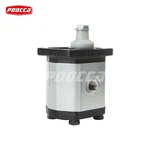
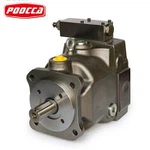

Piston Pump
A hydraulic piston pump is a positive displacement pump that converts mechanical energy into hydraulic energy by moving hydraulic fluid under pressure. It works using one or more pistons that move within a cylinder. As the pistons reciprocate, they create a vacuum that draws fluid into the pump, which then compresses the fluid and forces it out through the discharge port.
Due to their high efficiency and ability to generate high pressures, they are used in hydraulic systems in machinery, vehicles, and industrial equipment. Hydraulic piston pumps are key components in many demanding applications because of their durability, performance, and precision.
Poocca Piston Pump Manufacturers sells pumps in a variety of displacements and sizes, please let us know your needs.
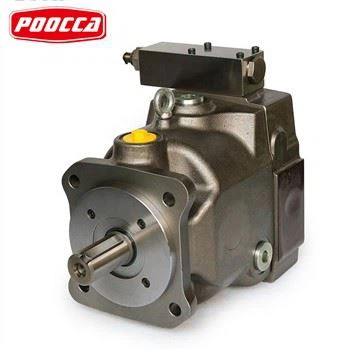


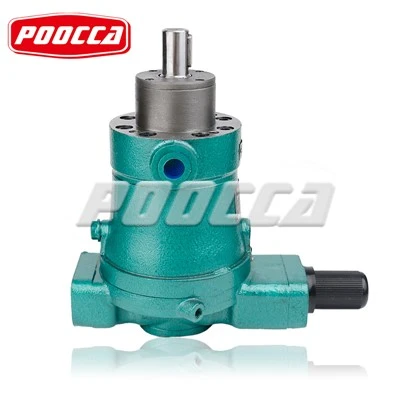
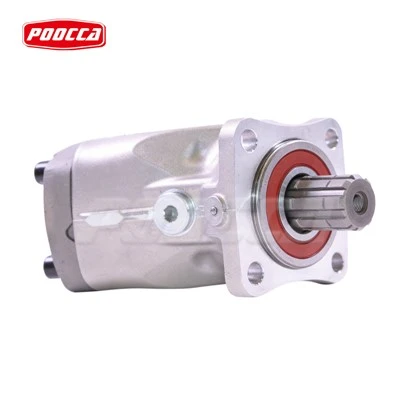

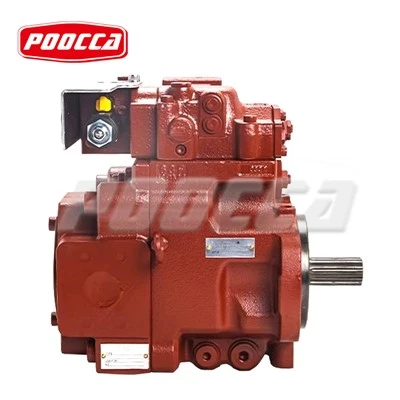


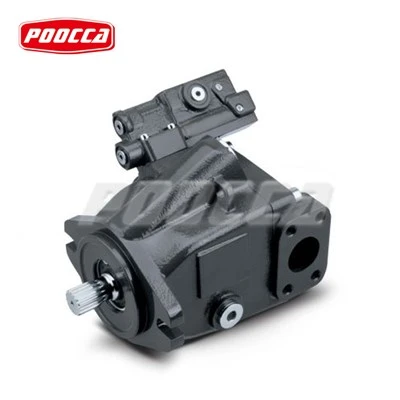
About Poocca
Types
We offer a variety of hydraulic pumps, motors and valves to meet various application needs. Our product line includes: hydraulic piston pumps, hydraulic gear pumps, hydraulic vane pumps, hydraulic motors, hydraulic valves and accessories, with a product range of up to 1600+.
Quality
Our products undergo strict quality control to ensure that every hydraulic component leaving the factory has the highest reliability and durability, ensuring that our products can still perform well under various harsh conditions.
Customized services
Poocca Hydraulic Manufacturers offers comprehensive customization services. Whether it is special specifications, material selection or special functions, our engineering team can design and manufacture according to your specific requirements.
Variable And Fixed Piston Pump
Choosing the right type of piston pump for your equipment depends on the flow demand, pressure requirements and dynamic characteristics of the system.
If you have any questions during the selection process, please contact Poocca Piston Pump Manufacturer, we will assist you in checking the suitable model.

Variable displacement piston pump
The displacement of this pump can be adjusted as needed. By adjusting the displacement of the pump, the amount of liquid pumped each time can be changed to adapt to different load requirements. Variable displacement pumps are suitable for applications where the flow demand is unstable or the flow needs to be adjusted according to changes in system load.
Variable displacement piston pumps are usually equipped with an adjustment mechanism, such as an inclined swash plate or an adjustment rod, to change the displacement of the pump.
Examples include common axial piston pumps and radial piston pumps.
Variable displacement piston pump Vickers PVB PVH PVQ piston pumps, Danfoss PD P1 P2 H1 H1B hydraulic pumps, Rexroth A10VSO A4VSO and other pump.
Fixed displacement piston pump
The displacement of a fixed displacement piston pump is fixed, that is, the amount of liquid delivered by the pump is constant each time it pumps. Fixed displacement pumps are usually suitable for applications with constant flow demand.
Fixed displacement piston pump Rexroth A2F A2FO A2FE A17FNO piston pump, Parker F1 F11 F12 piston pump.

Hydraulic piston pump types
POOCCA Sells The Above Types Of Piston Pumps In A Wide Variety Of Varieties. The Source Factory Price And Delivery Time Are More Competitive Than Those Of General Peers. Please Send Us Your Purchase List And Look Forward To Cooperating With You.
Axial
Piston Pump
The piston moves axially in the pump, and the swash plate adjusts the displacement by changing the angle of the swash plate. The pump is suitable for various flow and pressure requirements.

Radial
Piston Pump
Single Row: The piston moves radially in the pump body. Suitable for high-pressure applications, usually with smaller size and higher flow density.
Multiple Row: Contains multiple rows of pistons, providing higher flow and pressure, suitable for more complex hydraulic systems.

How To Choose A Piston Pump
Choosing the right hydraulic piston pump requires a combination of factors to ensure performance, reliability and economy in a specific application. Poocca piston pump manufacturers will go through every detail of the model you need with you when you place your order.
1. Application requirements
Determine the maximum and minimum flow requirements of the system. This will help select a pump with the right displacement. Calculate the required flow and select a pump that can meet these requirements. Understand the maximum operating pressure of the system. The pump must be designed to withstand these pressures and remain stable over long-term use.
2. Displacement type
Fixed displacement vs. variable displacement: Choose a fixed displacement pump (for applications with constant flow requirements) or a variable displacement pump (for applications that require flow adjustment) based on application needs. Variable displacement pumps can adjust flow according to load changes, increasing system flexibility and efficiency.
3. Working environment
Media characteristics: Consider the viscosity, corrosiveness and temperature of the liquid. Make sure the pump material and sealing system are compatible with the liquid to avoid corrosion or damage caused by media characteristics.
Working temperature: Choose a pump that can work stably within the expected operating temperature range. If the operating temperature is extreme, choose a pump that can withstand high or low temperatures.
4. System compatibility
Check the pump size and installation requirements to ensure that the pump can be installed in the available space and is compatible with the existing system. Confirm whether the pump interface type, size and connection method with the system pipeline match.
5. Performance requirements
Choosing an efficient pump can reduce energy loss and operating costs. Check the pump's efficiency curve to ensure that its efficiency at the main operating points meets the requirements. If noise is an important factor, choose a pump with lower noise. The noise level of a hydraulic pump is usually related to its design and materials.
6. Maintenance and service
Maintenance frequency: Choose a pump that is easy to maintain and service. Consider the maintenance requirements of the pump and the convenience of replacing parts.
Service support: Poocca piston pump manufacturers have good after-sales service and technical support. Make sure you can help quickly when you need repairs or technical support.
Contact Poocca Now
You can purchase according to your own equipment needs. If you want to know more about the hydraulic piston pump, or want to customize it according to your needs, you can contact our customer service staff, and we will provide you with professional consultation and service. You can contact us in the following ways:
Email: poocca11@126.com
We look forward to your information and serve you wholeheartedly.
nternal Structure Of A Piston Pump
The internal structure of the piston pump is designed to use the movement of the piston to move the pressurized fluid, effectively converting mechanical energy into hydraulic energy. The following piston pump accessories are all for sale at Poocc Hydraulic Piston Pumps. Contact us for a quote.
**1. Pump housing
Function: Encloses and supports the internal components of the pump.
Material: Usually made of cast iron, aluminum alloy or steel for durability and strength.
**2. Cylinder (cylinder block)
Function: Chamber that accommodates the piston and provides fluid displacement.
Material: Usually made of hardened steel or high-strength alloy for wear resistance.
**3. Piston
Function: Moves back and forth in the cylinder to suck in and discharge hydraulic oil.
Material: Made of high-strength steel or alloy, usually with surface coatings such as chrome to reduce wear and friction.
**4. Swash plate (axial piston pump)
Function: Converts rotary motion into reciprocating motion of the piston. The angle of the swash plate determines the stroke length of the piston, which in turn controls the displacement of the pump.
Material: Usually made of hardened steel or alloy.
**5. Drive shaft
Function: Transmits mechanical energy from the motor to the swash plate or cam to drive the piston.
Material: Made of high-strength steel or alloy for durability.
**6. Valve plate
Function: Contains fluid intake (suction) and discharge ports, directing the flow of hydraulic fluid into and out of the pump.
Material: Usually made of hardened steel or alloy to withstand high pressure and wear.
**7. Port plate (axial piston pump)
Function: Works with the valve plate to manage fluid flow between the pump cavity and the external circuit.
Material: Made of hardened steel or alloy.
**8. Cam (radial piston pump)
Function: Converts the rotary motion of the drive shaft into the reciprocating motion of the piston in the radial piston pump.
Material: Made of high-strength steel or alloy.
**9. Bearing
Function: Supports rotating parts, reduces friction, and ensures smooth operation.
Material: Usually made of high-strength steel or alloy.
**10. Seals and gaskets
Function: Prevent hydraulic fluid leakage, maintain pressure, and prevent contamination.
Material: Made of rubber, elastomer or other durable sealing material.
**11. Spring
Function: Used in some designs to return the piston to its initial position or maintain contact between parts.
Material: Made of high-strength steel or alloy.
**12. Control mechanism (variable displacement pump)
Function: Adjusts the swash plate angle or cam position to change the displacement of the pump according to system needs.
Material: Usually made of high-strength materials such as steel or alloy to ensure durability and precision.


Hydraulic Piston Pump Maintenance

Poocca Hydraulic Manufacturer reminds you that the maintenance of piston pumps is the key to ensure its long-term stable operation and extend its service life. We should regularly check and replace hydraulic oil to keep the oil clean and prevent impurities and oxides from entering the system. The filter element also needs to be checked and replaced regularly to ensure that the oil circuit is unobstructed and prevent pollutants from damaging the pump. Secondly, it is very important to check and replace seals to prevent hydraulic oil leakage and keep the system pressure stable. All connectors should also be checked regularly to ensure that they are tightened to prevent loosening and cause failures.
Lubrication maintenance is another key link. Regularly lubricate bearings and other moving parts to reduce friction and wear. It is recommended to use lubricants specified by the manufacturer to ensure the best effect. It is necessary to keep the outside and inside of the pump clean to prevent dust and impurities from affecting the performance of the pump. Regularly carry out professional maintenance, check the wear of key components, promptly discover and solve potential problems, and ensure that the piston pump is always in the best working condition by formulating a preventive maintenance plan. Through the above maintenance measures, the service life of the piston pump can be effectively extended and its reliability and efficiency can be improved.
Piston Pump Precautions For Use
When using a piston pump, the key to ensuring its performance and life lies in proper operation and maintenance. The first pump must be installed firmly and aligned accurately to prevent wear and failure due to vibration or misalignment. Before starting, be sure to check the level of the hydraulic oil tank, ensure that the hydraulic oil is clean and uncontaminated, and confirm that all connections are tight to prevent oil leakage. The operating conditions of the pump must also be strictly controlled to avoid operation at extreme temperatures, prevent overheating or overcooling of the hydraulic oil from affecting the performance of the pump, and should not operate beyond the rated pressure and flow range of the pump to avoid overload and excessive flow fluctuations.
During operation, the status of the pump must be continuously monitored, especially for abnormal noise and vibration, and the temperature and pressure of the system must be checked regularly to ensure that they are within a safe range. When shutting down, the load should be gradually reduced to avoid pressure shock caused by sudden shutdown, and the system pressure should be unloaded after shutdown to prevent residual pressure from damaging the system.

Technology First
We offer a variety of transmission components
Industrial equipment
Use: Widely used in various industrial machinery, such as machine tools, injection molding machines, die-casting machines, etc., to provide high-pressure hydraulic power.
Advantages: With high efficiency and stable performance, it can meet the needs of high-precision and high-intensity industrial production.
Construction and engineering machinery
Use: In heavy equipment such as excavators, loaders, bulldozers and cranes, it is used to drive hydraulic systems.
Advantages: It can provide powerful power and high-pressure output, adapt to harsh working environments, and ensure the efficient operation of equipment.
Aerospace
Use: Used in high-demand hydraulic systems such as aircraft landing gear, rudder control systems and flight simulators.
Advantages: It has high reliability and precise control capabilities, and can operate stably under high pressure and extreme conditions.
Ship and marine engineering
Use: Applied to ship steering gear, deck machinery, offshore drilling platforms and other equipment.
Advantages: It has corrosion resistance and high-pressure output capabilities, and can provide stable and reliable hydraulic power in marine environments.

our Partners
Our customers have given high praise to our hydraulic pumps, motors and valves manufactured and distributed by Poocca Hydraulics. The following are some of our customers' feedback. If you have any purchase needs, please do not hesitate to send us a message immediately.
David Brown: Purchase 1500 NSH, Hyva gear pumps
Comment: "Your technical support team responds quickly and solves problems professionally and efficiently, so that any problems we encounter during use can be solved in time."
Sarah Davis:Buy A10VSO, A4VSO, PV piston pump
Comment: "I am very happy to work with Poocca Hydraulics, their personnel are very professional."
Sarah Davis:Purchased hydraulic motors such as Rexroth A6VM, Danfoss OMH, etc.
Comment: "Whether it is a regular order or an emergency demand, your company can deliver on time, ensuring the smooth progress of our project."
Michael Thompson:Customized piston pump suitable for high pressure machinery
Comment:"Some of our special needs have been customized by your company. The products fully meet our application requirements. Thank you very much for the support of your engineering team."


Hydraulic Pump Quality Certification
As a leading manufacturer of hydraulic pumps, motors and valves, we are always committed to providing high-quality and reliable products.Through these authoritative certifications, Poocca Hydraulic Supplier not only demonstrates its commitment to high quality standards, but also reflects our leading position in environmental protection, safety and expertise. Choosing us, you will get high-quality hydraulic products and professional services that meet international standards.

Poocca FCC Certificate

Motor CE Certificate

Poocca ISO Certificate

Hydraulic CE Certificate

Gear Pump CE Certificate

Poocca Rohs Certificate
FAQ
Q: What are the disadvantages of piston pumps?
Q: What are the advantages of piston pumps?
Q: How much pressure is in a piston hydraulic pump?
Q: How efficient are piston pumps?
Q: How does a hydraulic piston work?
Q: What does axial mean in pumps?
Q: Can a axial piston pump be fixed displacement?
Q: What is the main difference between the radial and axial piston pump?
Q: What is the difference between vane pump and axial piston pump?
Q: How many pistons are in the axial piston pump?